Should You Seed in Spring or Fall?
If you ask any lawn care professional, they'll tell you that fall is the ideal time to seed cool-season grasses. But that doesn't mean spring seeding is a bad idea — it just means you need to be more strategic about it.
Spring seeding works best when:
- You have bare patches that need immediate attention
- Winter damage left thin or dead areas
- You're establishing a new lawn from scratch
- You want to thicken up an existing lawn before summer
The challenge with spring seeding is the race against summer heat. Seeds need cool, moist conditions to germinate and establish roots before temperatures climb above 85°F. That gives you a relatively narrow window.
Choosing the Right Seed
For our region (Northeast Pennsylvania), the best grass types for spring seeding are cool-season varieties:
Kentucky Bluegrass: The gold standard for a beautiful lawn. Dense, dark green, and self-repairing through rhizomes. However, it's slow to germinate (14–21 days) which makes spring timing critical.
Perennial Ryegrass: Germinates quickly (5–7 days) and establishes fast. Excellent for filling in bare spots. Mixes well with bluegrass.
Tall Fescue: Deep-rooted and drought-tolerant. A great choice for lawns that get heavy use or have mixed sun/shade conditions.
Fine Fescue: Perfect for shady areas where other grasses struggle. Low maintenance and fine-textured.
Most quality seed blends combine 2–3 of these varieties for a lawn that performs well in various conditions.
Preparing the Soil
Seed-to-soil contact is everything. Simply tossing seed on top of an existing lawn and hoping for the best rarely works. Here's how to prepare:
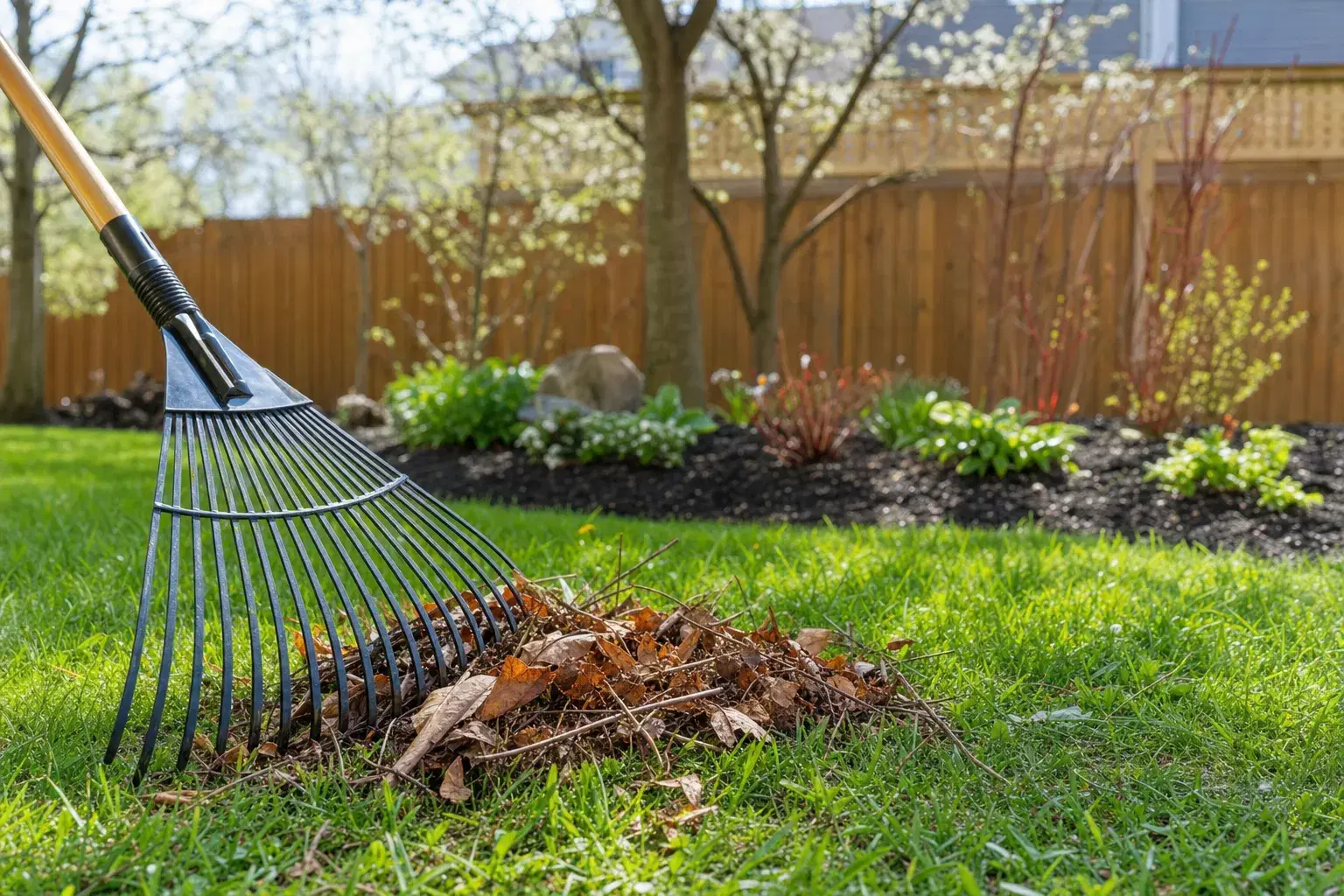
- Rake the area to remove dead grass and debris
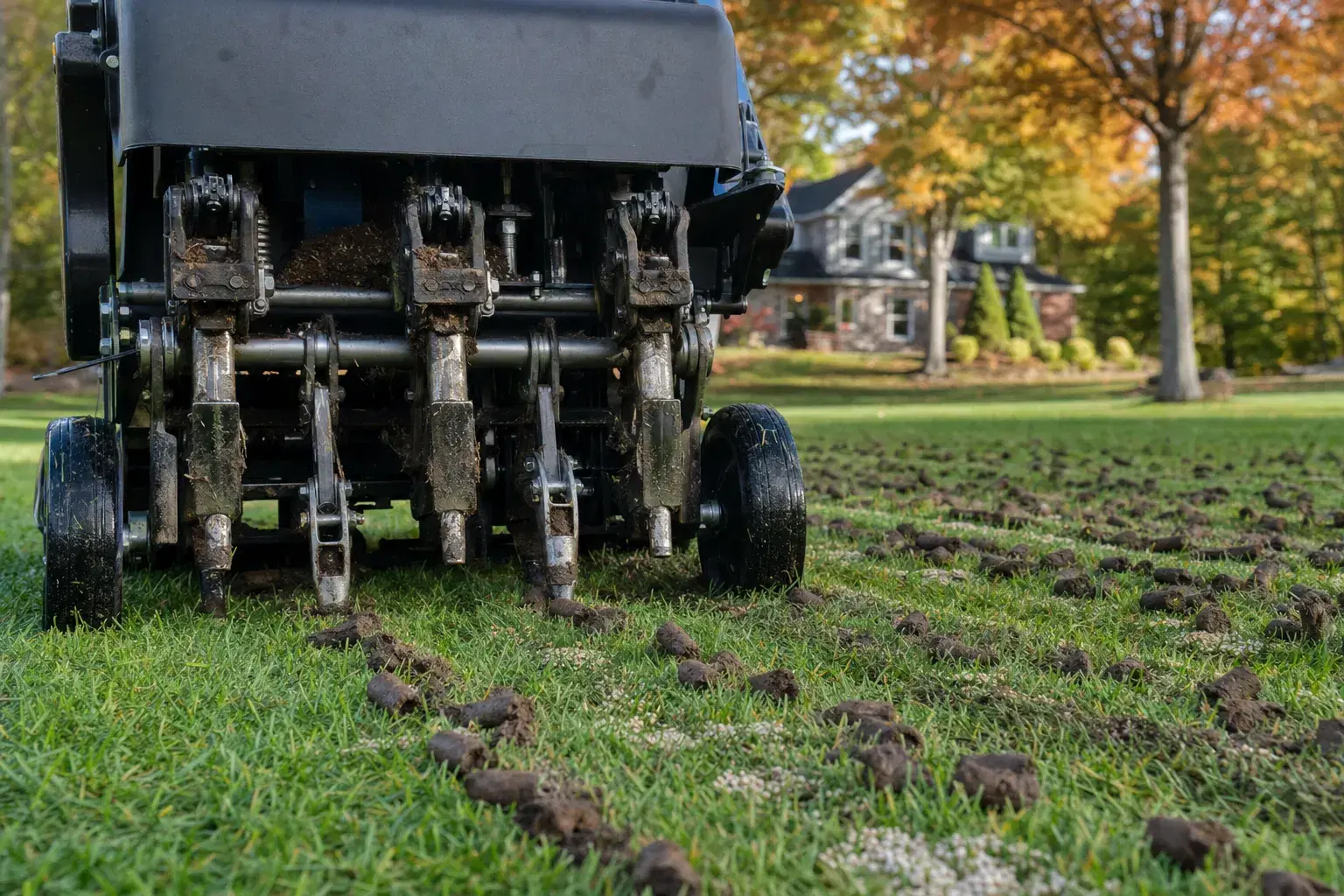
- Loosen the top ¼ inch of soil with a garden rake or power dethatcher
- Test your soil — amend with lime if pH is below 6.0 or sulfur if above 7.0
- Apply a thin layer of compost (¼ inch) to improve seed-to-soil contact and provide nutrients
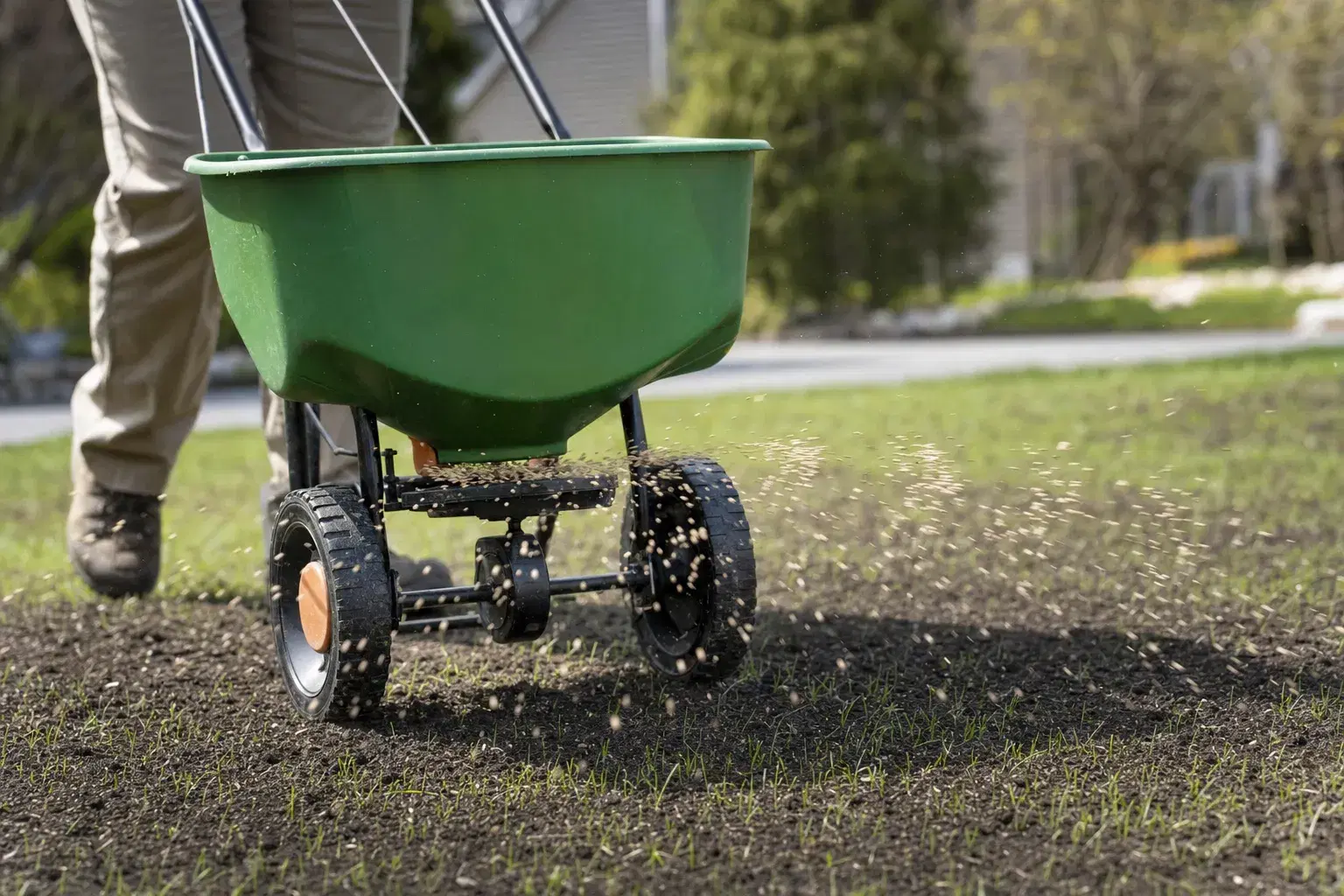
- Spread seed evenly using a broadcast spreader for large areas or by hand for small patches
Dreaming of a thick, lush lawn this summer? Let us handle the seeding and soil prep — request your free quote today!
Get Your Free QuoteNo obligation • Quick response within 24 hours
Watering: The Make-or-Break Factor
More spring seeding projects fail because of watering than any other reason. New seed needs consistent moisture — but not drowning. Here's the schedule:
Weeks 1–2 (Germination):
- Water 2–3 times daily for 5–10 minutes each session
- Keep the top inch of soil consistently moist
- Never let the seed dry out completely
Weeks 3–4 (Establishment):
- Reduce to once daily, watering for 15–20 minutes
- Encourage roots to grow deeper by watering less frequently but more deeply
Weeks 5+ (Growth):
- Transition to a normal watering schedule: 1 inch per week, applied in 1–2 deep sessions
- Morning watering is best to reduce disease risk
Common Spring Seeding Mistakes
Using pre-emergent herbicide at the same time: Pre-emergent prevents ALL seeds from germinating — including your grass seed. Wait at least 6–8 weeks after seeding before applying, or skip it entirely on seeded areas.
Mowing too soon: Don't mow new grass until it reaches 3.5–4 inches. And when you do, never remove more than one-third of the blade height.
Seeding too late: If you're seeding in late May or June, the summer heat will likely kill young seedlings before they establish. Aim for early-to-mid April in our region.
Skipping soil prep: Broadcasting seed on hard, compacted soil is a waste of money. Proper preparation dramatically improves germination rates.
What to Expect
With proper preparation, seeding, and watering, you should see:
- Germination in 7–21 days depending on grass type
- Mowable height in 4–6 weeks
- Full establishment in 8–12 weeks
By mid-summer, your newly seeded areas should blend seamlessly with the existing lawn. Be patient — good lawns take time.