Why Spring Cleanup Is Non-Negotiable
Your lawn has been through a lot over the winter. Heavy snow, ice, freeze-thaw cycles, and months of dormancy leave behind a mess of dead grass, matted leaves, broken branches, and compacted soil. Skipping spring cleanup doesn't just look bad — it actively harms your lawn's ability to recover and thrive.
Matted leaves and debris block sunlight and trap moisture against the soil surface, creating ideal conditions for fungal diseases like snow mold. Dead thatch prevents new grass shoots from emerging. And compacted soil makes it nearly impossible for roots to access the water and nutrients they need.
A proper spring cleanup sets the foundation for everything that follows — a lush, green lawn all summer long.
The Spring Cleanup Checklist
1. Remove Debris
Walk your entire property and remove branches, litter, pinecones, and any objects that were hidden under snow. Check gutters and downspouts too — winter storms often clog them with leaves and ice.
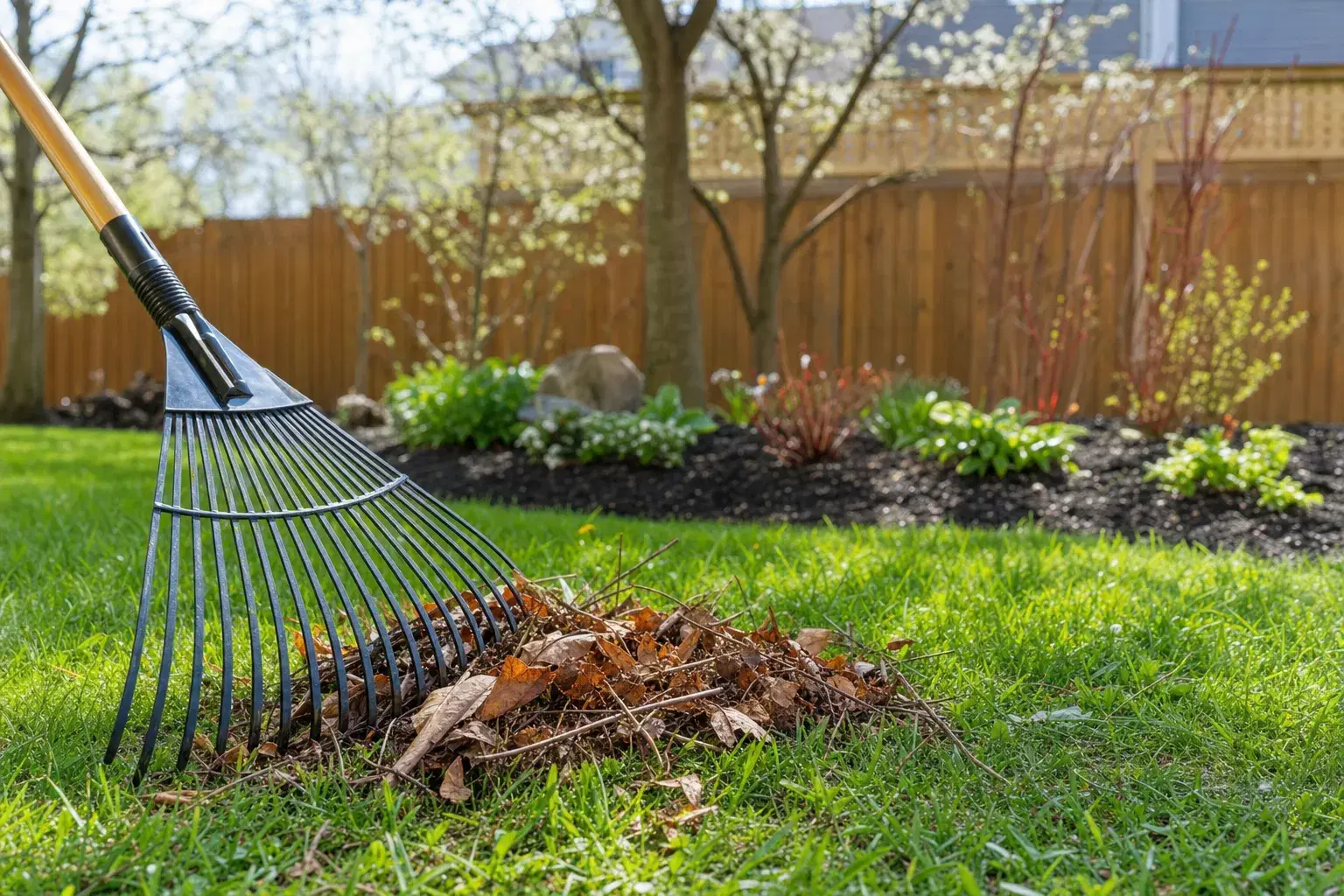
2. Rake Thoroughly
Even if you did a fall cleanup, you'll need to rake again. Focus on areas where leaves collected and matted down over winter. Use a spring-tine rake (not a heavy leaf rake) to avoid damaging new growth. Raking also helps break up thatch and allows air to reach the soil.
3. Assess Winter Damage
Look for:
- Dead patches from snow mold or salt damage
- Heaved plants where freeze-thaw cycles pushed roots out of the ground
- Damaged landscape edging from plow or ice damage
- Cracked walkways or patios from frost heave
4. Clean Garden Beds
Pull any remaining dead plant material from perennial beds. Cut back ornamental grasses and dead perennial stems to make way for new growth. Remove any winter mulch that was added for protection.
5. First Mow of the Season
Don't rush this. Wait until the grass is actively growing and the soil is dry enough that you're not leaving ruts. Set your mower high for the first cut — about 3 to 3.5 inches. This encourages deeper root growth.
Spring is right around the corner — book your spring cleanup now before the schedule fills up and get ahead of the season!
Get Your Free QuoteNo obligation • Quick response within 24 hours
Timing Is Everything
In our region, spring cleanup typically happens between late March and mid-April, depending on weather conditions. The key indicators that it's time to start:
- Daytime temperatures consistently above 40°F
- Ground is no longer frozen
- Soil is dry enough to walk on without leaving footprints
- You can see new green growth beginning
Starting too early — while the ground is still soggy — can compact soil and damage tender new shoots. Starting too late gives weeds a head start and allows fungal issues to spread.
The Benefits of Professional Spring Cleanup
While many homeowners handle spring cleanup themselves, there are real advantages to hiring a professional crew:
- Efficiency — A team with commercial equipment can clean a property in a fraction of the time it takes a homeowner.
- Expertise — Professionals can spot problems (grub damage, disease, drainage issues) that homeowners might miss.
- Proper disposal — Yard waste is hauled away, not just piled in a corner.
- Seamless transition — Book cleanup alongside a mowing plan and your property stays maintained all season.
What Comes After Cleanup
Once your property is cleaned up, it's time to think about the next steps:
- Soil testing — Know your pH and nutrient levels before applying anything.
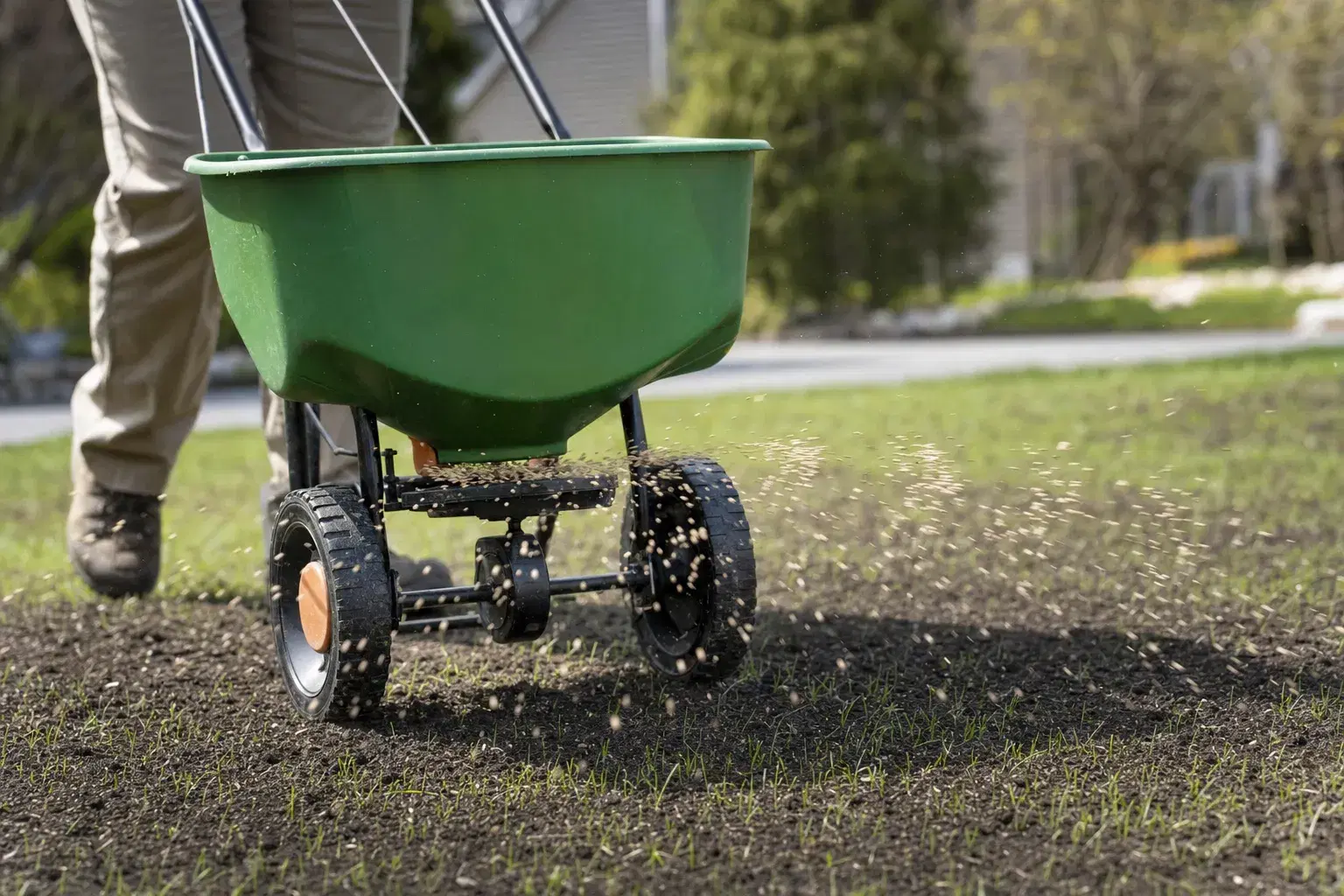
- Overseeding — Fill in bare spots and thicken your lawn (more on this in our seeding guide).
- Pre-emergent application — Prevent crabgrass and other weeds before they germinate.
- Fertilization — A light early-spring feeding helps grass green up without promoting excessive top growth.
Spring cleanup isn't glamorous, but it's the single most important thing you can do for your lawn each year. Get it right, and everything else falls into place.